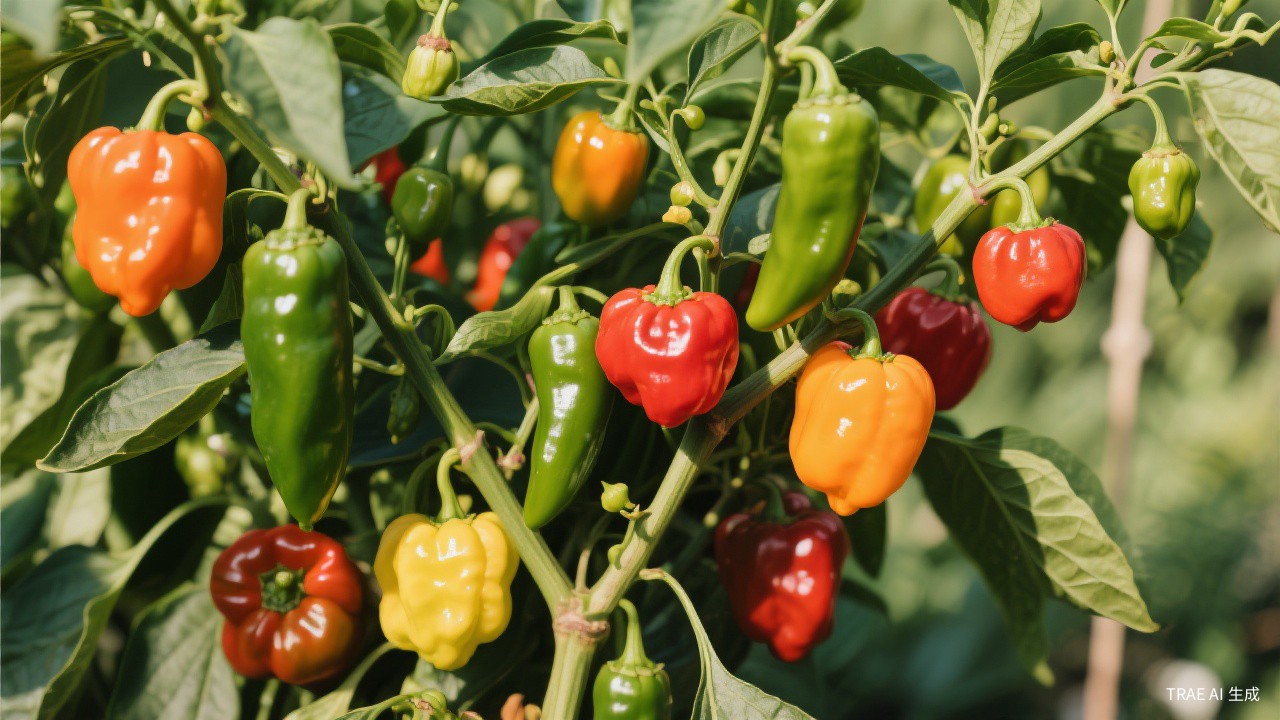
Growing Hot Peppers: From Jalapenos to Habaneros
Preparation Fundamentals
Site Selection Criteria
Hot Peppers success begins with choosing the right location. Evaluate sunlight exposure throughout the day, noting how trees, buildings, and structures create shade patterns. Test soil drainage by digging holes and observing water retention. Consider proximity to water sources; hauling hoses long distances becomes tedious quickly. Assess wind exposure, which can damage plants and increase water needs. Check for underground utilities before digging. Think about accessibility for maintenance and harvest. The ideal site balances all these factors, creating conditions where plants thrive with minimal intervention. Take time to observe your space through different seasons before committing to permanent plantings.
Timing Your Planting
Seasonal timing dramatically affects Hot Peppers outcomes. Research your last frost date and first frost date, planning plantings accordingly. Some crops prefer cool spring weather, while others need warm soil to germinate. Succession planting extends harvests by sowing new seeds every few weeks. Consider day length requirements; some plants need long days to flower while others prefer shortening days. Track soil temperature, as many seeds refuse to germinate in cold ground. Monitor weather forecasts, protecting young plants from unexpected cold snaps or heat waves. Patience in timing often determines success more than any other factor.
Soil Preparation Methods
Proper soil preparation creates the foundation for successful Hot Peppers. Remove existing weeds and debris before amending soil. Test pH levels and adjust with lime or sulfur as needed for your specific plants. Incorporate organic matter deeply, turning soil to a depth of at least twelve inches. Break up compacted areas that restrict root growth. Allow prepared soil to rest for a week before planting, letting beneficial organisms establish. Rake smooth and remove large rocks or debris that interfere with planting. Well-prepared soil rewards your efforts with vigorous plant growth and abundant harvests.
Ongoing Care
Watering Best Practices
Proper watering makes or breaks Hot Peppers results. Water deeply and less frequently, encouraging deep root growth. Morning watering reduces disease pressure by allowing foliage to dry before evening. Drip irrigation delivers water directly to roots, minimizing waste and weed growth. Mulch heavily to reduce evaporation and maintain consistent soil moisture. Learn to read plant signals; wilting indicates immediate water needs while yellowing may suggest overwatering. Adjust schedules seasonally, increasing frequency during hot, dry periods and reducing during cool, wet weather. Consistent moisture produces healthier plants than alternating between drought and saturation.
Seasonal Maintenance
Hot Peppers requires different care through the growing season. Spring focuses on planting, soil preparation, and establishing young plants. Summer demands consistent watering, pest monitoring, and succession planting. Fall brings harvest, cleanup, and soil improvement for next year. Winter offers planning, tool maintenance, and seed ordering. Keep detailed records of what you plant, when, and how it performs. This information proves essential for planning future seasons. Clean and store tools properly to extend their lifespan. Rotate crop locations to prevent disease and pest buildup. Each season builds on the previous, creating cumulative improvement over years.
Pest Management
Protecting Hot Peppers from pests requires vigilance and integrated approaches. Inspect plants regularly for early signs of damage or infestation. Encourage beneficial insects by providing habitat and avoiding broad-spectrum pesticides. Hand-pick larger pests when populations are small. Use row covers to exclude flying insects during vulnerable periods. Apply organic sprays only when necessary and always in evening to protect pollinators. Maintain plant health through proper culture; stressed plants attract more pests. Learn to tolerate minor damage; perfect produce is not worth ecological destruction. Balance intervention with acceptance of natural processes.
Soil and Nutrition
Building Healthy Soil
Soil health determines Hot Peppers success more than any other factor. Start with soil testing to understand pH and nutrient levels. Amend clay soils with organic matter to improve drainage and aeration. Sandy soils benefit from compost additions that increase water retention. Create raised beds if native soil proves problematic. Mulch regularly to suppress weeds, retain moisture, and add organic matter as it decomposes. Avoid walking on planting beds, which compacts soil and damages structure. Feed soil biology with diverse organic inputs rather than relying solely on synthetic fertilizers. Healthy soil creates healthy plants that resist pests and diseases naturally.
Organic Amendments
Natural soil amendments support Hot Peppers without chemical dependence. Compost provides balanced nutrition while improving soil structure. Aged manure adds nitrogen and micronutrients; ensure it is fully composted to avoid burning plants. Bone meal supplies phosphorus for root development and flowering. Kelp meal contributes trace minerals and growth hormones. Worm castings offer gentle, complete nutrition suitable for all plants. Apply amendments based on soil test results rather than guessing. Top-dress regularly rather than tilling deeply, preserving soil structure and microbiome. These natural inputs build soil health over time rather than providing quick fixes that deplete resources.
Fertilizer Timing
Knowing when to fertilize makes Hot Peppers more productive. Spring applications support new growth and establishment. Summer feedings maintain vigor during peak production. Fall amendments prepare plants for dormancy and next spring's growth. Avoid fertilizing during stress periods like extreme heat or drought. Liquid fertilizers provide quick boosts during critical growth phases. Slow-release granules offer steady nutrition over extended periods. Always water after applying fertilizers to prevent root burn and help nutrients reach plant roots. Observe plant response and adjust timing based on your specific conditions and plant needs.