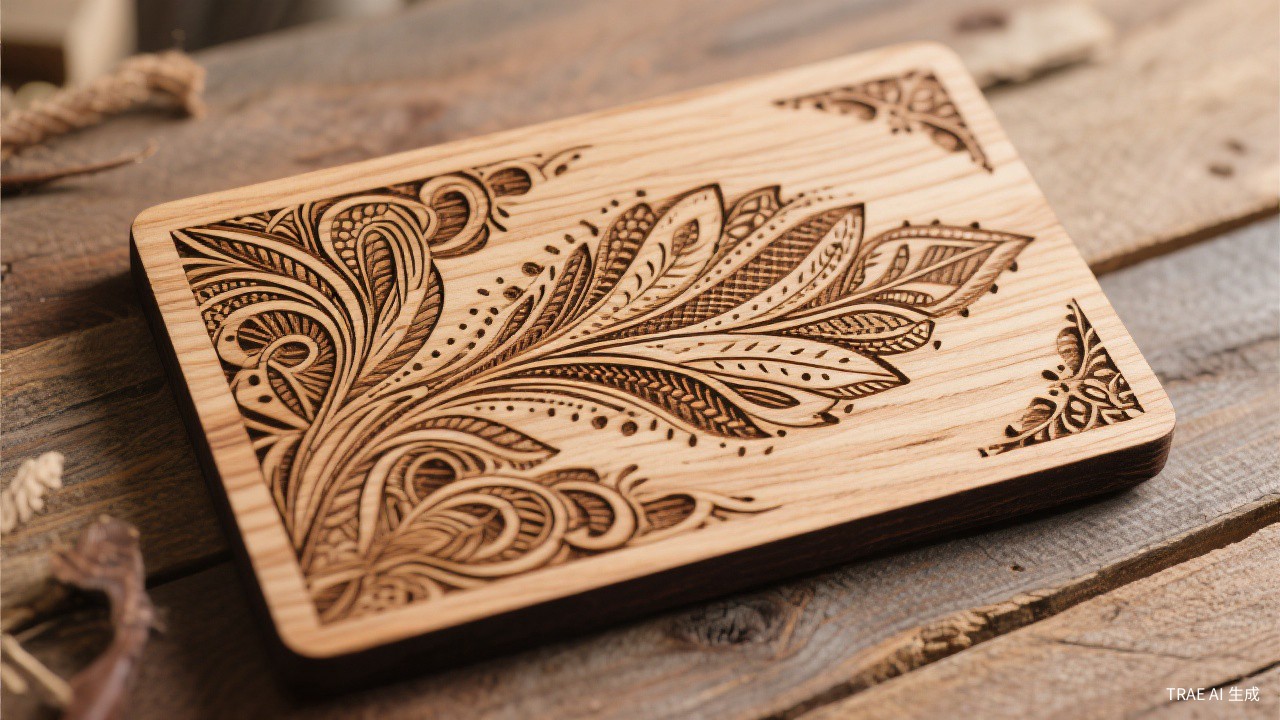
DIY Wood Burning Art: Pyrography Basics for Beginners
Making things with your own hands satisfies a fundamental human need. Wood Burning Art combines creativity with practical skill, producing results that carry personal meaning no purchased item can match. The process teaches patience, problem-solving, and the value of careful work. Begin by gathering quality materials; inferior inputs produce inferior results regardless of skill level. Read through all instructions before starting, visualizing each step and identifying potential challenges. Prepare your workspace with adequate lighting, ventilation, and tool access. Clear interruptions during work sessions; focused attention produces better results than rushed, distracted efforts. Start with simpler variations before attempting complex designs. Master basic techniques through practice, building muscle memory that enables more ambitious projects. Do not fear mistakes; they teach more than successes and often lead to creative innovations.
Construction Process
Assembly Techniques
Methodical assembly ensures Wood Burning Art success. Read all instructions completely before starting. Lay out materials and verify you have everything needed. Work in a logical sequence, allowing adequate drying or curing time between steps. Check squareness and level frequently; small errors compound over multiple steps. Clamp pieces before fastening to ensure proper alignment. Pre-drill holes to prevent splitting wood or cracking other materials. Test fit before applying permanent adhesives or fasteners. Step back periodically to assess overall progress and appearance. Patience during assembly creates better results than rushing to completion.
Quality Control
Attention to detail elevates Wood Burning Art from amateur to professional. Check measurements twice before cutting. Sand surfaces progressively from coarse to fine grits for smooth finishes. Fill gaps and imperfections before final finishing. Test moving parts for smooth operation. Verify structural integrity before considering projects complete. Clean all surfaces thoroughly before applying finishes. Apply multiple thin coats rather than single thick ones for better coverage and durability. Inspect finished work critically, addressing any issues while still correctable. High standards during construction eliminate disappointment later.
Problem Solving
Challenges arise during most Wood Burning Art projects; problem-solving separates successful makers from frustrated quitters. When mistakes happen, stop and assess before reacting. Many errors can be corrected or disguised with creative thinking. Keep scrap materials for testing fixes before applying to visible areas. Consult online resources or experienced makers when facing unfamiliar problems. Sometimes walking away briefly provides fresh perspective. Document solutions for future reference. Each problem solved builds confidence and capability for the next challenge.
Care and Maintenance
Cleaning Guidelines
Proper cleaning preserves Wood Burning Art appearance and function. Dust regularly with soft cloths to prevent buildup. Use appropriate cleaners for your specific materials; what works for wood damages metal or fabric. Avoid excessive moisture on items not designed for wet cleaning. Address spills immediately to prevent staining. Polish metal components periodically to maintain luster. Clean glass and mirrors with appropriate products for streak-free results. Regular gentle cleaning prevents the need for harsh restoration later.
Repair Techniques
Even well-made Wood Burning Art items occasionally need repair. Address minor damage promptly before it worsens. Keep leftover materials from original construction for matching repairs. Learn basic repair techniques appropriate to your materials. Document original construction methods to guide repairs. Sometimes repairs add character; other times they should be invisible. Know when to attempt repairs yourself and when to consult professionals. Proper repair extends item lifespan and maintains functionality.
Long-term Storage
Storing Wood Burning Art items properly preserves them during periods of non-use. Clean thoroughly before storage to prevent pest attraction and material degradation. Store in climate-controlled environments when possible to prevent warping, cracking, or mold. Use appropriate covers that breathe rather than trap moisture. improve stored items to prevent contact with damp floors. Check stored items periodically for developing problems. Proper storage ensures your creations remain beautiful and functional for years of continued use.
Materials and Tools
Essential Supplies
Quality materials form the foundation of successful Wood Burning Art. Research options thoroughly, understanding the properties and limitations of each material type. Purchase slightly more than calculated to account for mistakes and design changes. Check for defects before beginning work; flawed materials compromise finished results. Store materials properly before use, protecting from moisture, heat, and damage. Organize your workspace so materials are accessible but protected from dust and debris. Label everything clearly, particularly when working with multiple similar items. Good material preparation prevents problems during assembly and finishing stages.
Tool Selection
Appropriate tools make Wood Burning Art easier and produce better results. Invest in quality basics rather than buying cheap versions that frustrate and break. Maintain tools properly, cleaning after use and storing in dry locations. Sharp cutting tools produce cleaner results and require less effort. Learn proper tool techniques; misuse damages both tools and materials. Consider renting specialized tools for one-time projects rather than purchasing. Safety equipment counts as essential tools; never skip eye protection, hearing protection, or dust masks when needed. The right tool for each task makes work safer and more enjoyable.
Workspace Setup
A well-organized workspace supports successful Wood Burning Art completion. Ensure adequate lighting for detailed work and safety. Provide ventilation when working with fumes or dust-producing materials. Arrange tools within easy reach of your primary work position. Protect surfaces from damage with appropriate coverings. Keep a fire extinguisher accessible when working with heat or flammable materials. Maintain clear pathways for safe movement around the workspace. Good organization reduces frustration and accidents while improving efficiency and enjoyment.