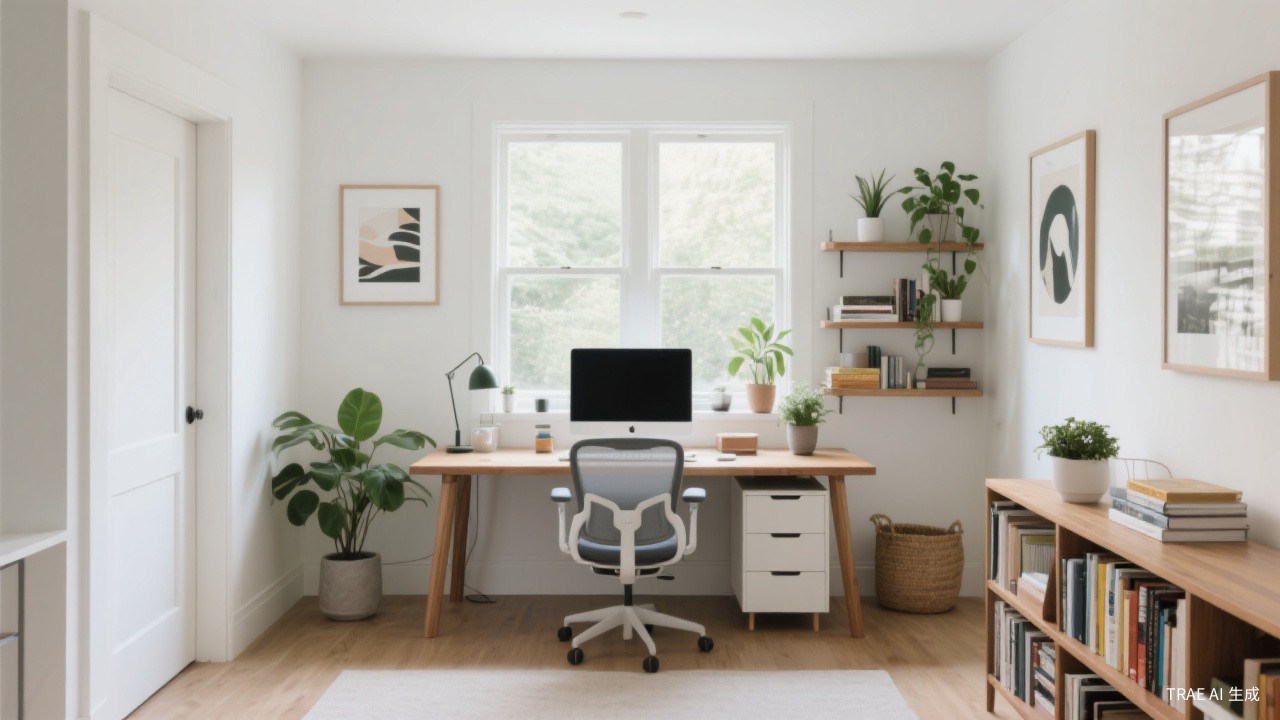
Creating a Home Office That Boosts Productivity
Living spaces evolve with the people who inhabit them. a Home Office That Boosts Productivity adapts your environment to current needs rather than accepting inadequate layouts. Thoughtful changes make rooms feel larger, brighter, and more welcoming. Assess your current situation honestly, identifying specific problems you want to solve. Prioritize projects based on budget, time available, and impact on daily life. Create detailed plans including material lists and step-by-step procedures. Gather all necessary tools and supplies before beginning; interruptions for missing items derail momentum and extend timelines. Consider hiring professionals for specialized tasks beyond your skill level. Begin with thorough planning, measuring carefully and considering how the space will be used. Research materials and techniques, understanding both the process and potential pitfalls.
Finishing Details
Trim and Transitions
Professional finishing distinguishes amateur from expert a Home Office That Boosts Productivity. Install trim pieces to cover gaps and raw edges. Caulk seams between different materials for smooth appearance. Touch up paint or finish where installation caused damage. Install hardware carefully, ensuring proper alignment and function. Clean all surfaces thoroughly, removing construction dust and fingerprints. Add protective pads to furniture that might scratch new finishes. Update switch plates, outlet covers, and vent registers to match new aesthetics. Details make the difference between acceptable and exceptional results.
Final Inspection
Critical assessment ensures a Home Office That Boosts Productivity meets your standards. Create punch lists of items needing attention. Test all functions: doors, drawers, switches, and fixtures. Check for visible fasteners, gaps, or imperfections. Verify that finishes are even and complete. Clean thoroughly, removing all construction debris. Photograph completed work for records and insurance purposes. Schedule any necessary inspections if permits were required. Enjoy your improved space, knowing the effort invested created lasting value. Final inspection marks the transition from construction to enjoyment.
Decorative Elements
Personal touches complete a Home Office That Boosts Productivity with character and warmth. Add artwork, plants, or accessories that reflect your personality. Consider lighting that creates desired ambiance for different times of day. Textiles like curtains, rugs, and pillows add softness and color. Display collections or meaningful objects that tell your story. Layer lighting sources for flexibility and interest. Edit ruthlessly; too many decorative items create visual clutter. The best spaces balance function with personal expression.
Maintenance and Care
Cleaning Protocols
Regular cleaning preserves a Home Office That Boosts Productivity improvements and extends their lifespan. Establish routines appropriate for each surface and material. Use gentle cleaners that remove dirt without damaging finishes. Address spills and stains promptly before they set. Dust frequently to prevent buildup that scratches surfaces. Deep clean seasonally, addressing areas missed in daily routines. Protect surfaces from heat, moisture, and abrasion. Proper cleaning maintains the fresh appearance of new installations for years.
Seasonal Inspections
Periodic inspection catches a Home Office That Boosts Productivity issues before they become major problems. Check for water leaks, especially after severe weather. Inspect caulking and sealants annually, replacing when cracked or peeling. Test safety devices like smoke detectors and GFCI outlets. Examine exterior elements for damage or deterioration. Tighten loose hardware before it causes damage. Look for signs of pest activity and address promptly. Seasonal maintenance prevents small issues from becoming expensive repairs.
Repair Techniques
Knowing how to address minor a Home Office That Boosts Productivity issues maintains your investment. Keep touch-up paint and materials for quick repairs. Learn basic skills like caulking, patching drywall, and tightening hardware. Address water damage immediately to prevent mold and structural issues. Know when DIY repairs are appropriate and when professionals are needed. Document repair history for future reference. Prompt attention to maintenance needs preserves both function and value. Well-maintained spaces continue serving you beautifully for years.
Planning and Design
Space Assessment
Thorough planning prevents costly mistakes in a Home Office That Boosts Productivity. Measure accurately, recording dimensions in multiple locations. Consider traffic patterns and how changes affect movement through the space. Evaluate existing conditions, noting structural elements, electrical locations, and plumbing. Research building codes and permit requirements for your project type. Create detailed drawings or use design software to visualize changes. Establish a realistic budget including materials, tools, and professional help if needed. Build in contingency funds for unexpected issues. Good planning eliminates surprises during construction.
Style Integration
a Home Office That Boosts Productivity should balance with your home's existing character. Study architectural details that define your space's style. Choose materials and finishes that complement rather than clash with established aesthetics. Consider resale value when making permanent changes; overly personalized choices limit future buyers. Create mood boards with colors, textures, and inspiration images. Visit showrooms and model homes for ideas. Balance current trends with timeless elements that will not quickly date your work. Cohesive design creates spaces that feel intentional and complete.
Budget Planning
Realistic budgeting ensures a Home Office That Boosts Productivity completion without financial stress. Research material costs thoroughly, including delivery fees and taxes. Account for tool purchases or rentals needed for the project. Include permit costs and professional consultation fees if applicable. Build in twenty percent contingency for unexpected issues. Prioritize spending on elements that affect function and durability over purely decorative items. Track expenses during the project to avoid overruns. Sometimes phasing work over time allows better quality within budget constraints.