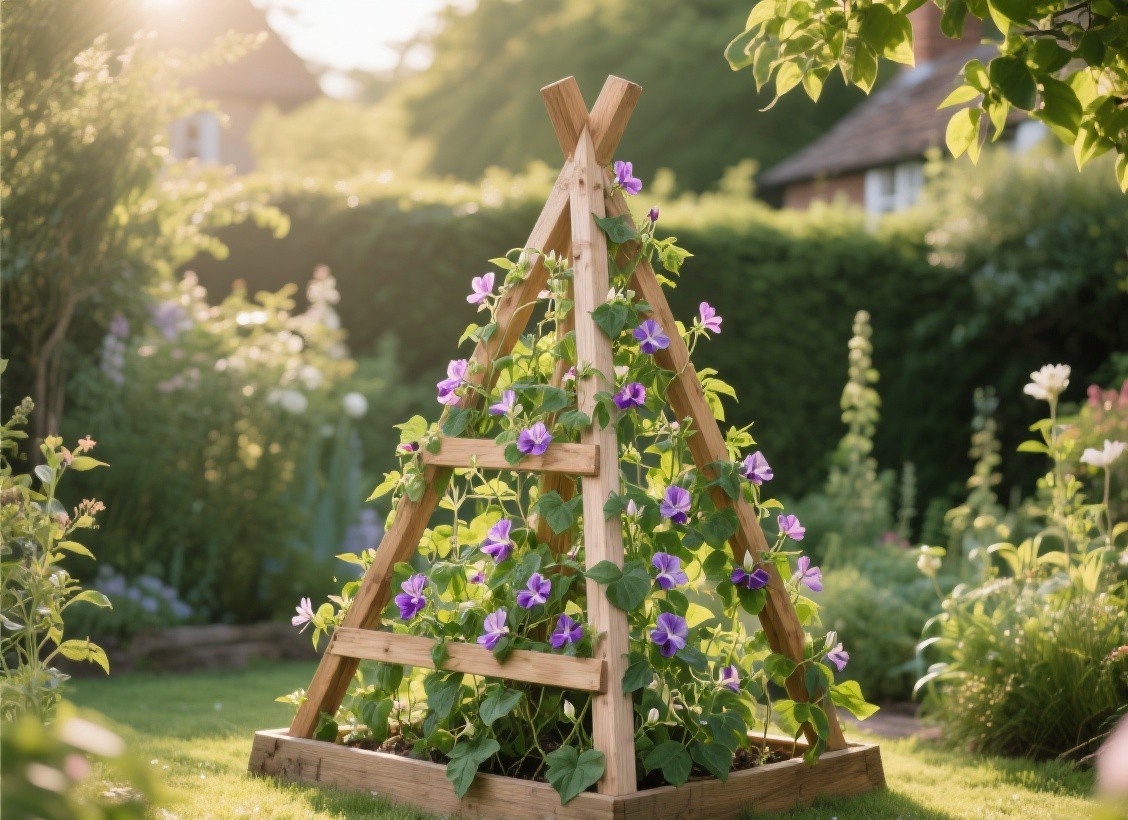
A garden obelisk transforms ordinary flower beds into vertical showcases. These pyramid-shaped trellises support climbing plants while adding architectural interest to your landscape. Sweet peas, clematis, and morning glories twist gracefully around the wooden frame, creating living sculptures that change with the seasons.
Materials and Tools
Start with cedar or redwood lumber for natural rot resistance. These woods withstand outdoor conditions without chemical treatments that might leach into soil. You will need four pieces of 2x2 lumber cut to 6 feet for the main legs, plus shorter pieces for horizontal supports at different heights.
Gather a circular saw or miter saw for clean cuts, a drill with exterior screws, wood glue rated for outdoor use, and a measuring tape. A speed square helps ensure accurate angles. Sandpaper in 120 and 220 grit smooths rough edges that could damage delicate plant stems.
Constructing the Base
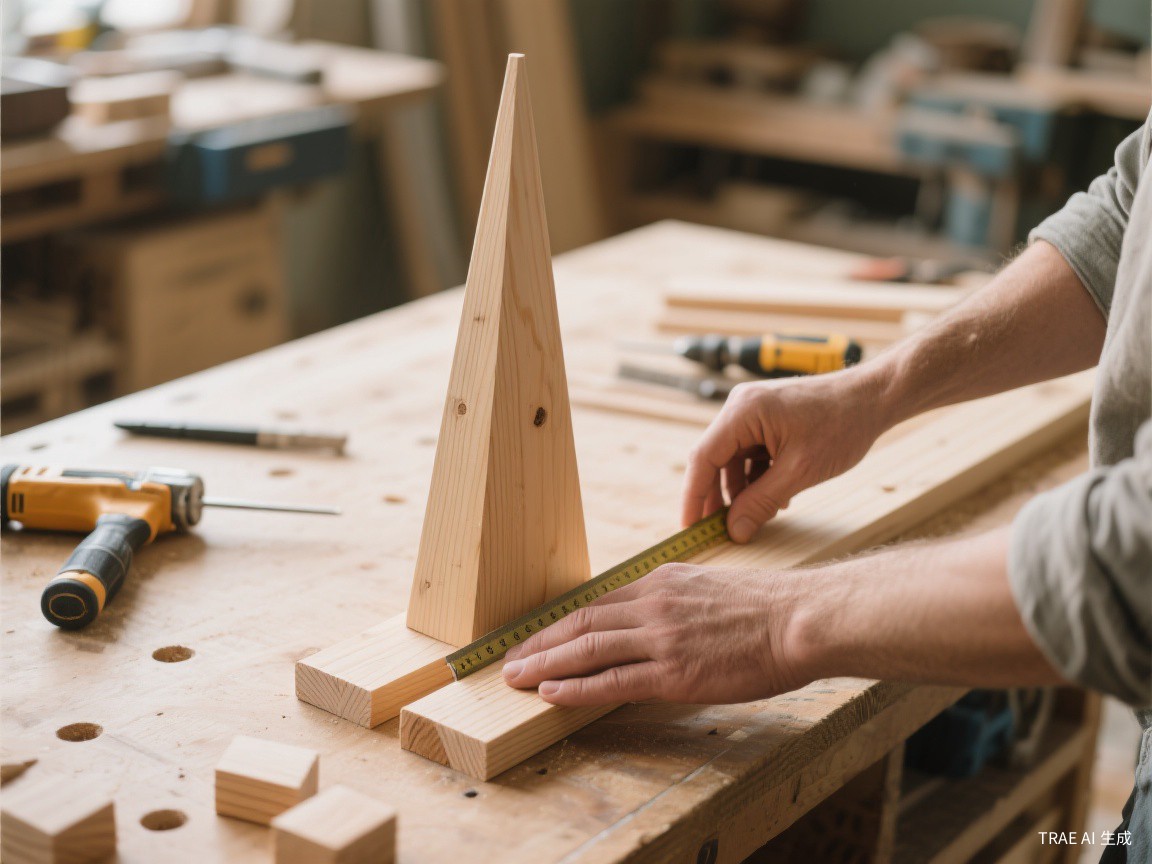
Cut four legs at 6 feet each, angling the tops inward at approximately 15 degrees. This angle creates the pyramid shape as the legs converge at the peak. The bottoms remain flat to rest firmly on the ground or anchor into concrete footings for permanent installation.
Attach horizontal supports at 12-inch intervals starting from the bottom. These rungs give climbing plants purchase as they grow upward. Use exterior-grade screws driven through pilot holes to prevent splitting. Countersink screw heads slightly and fill with wood filler for a finished appearance.
Joining the Peak
Bring all four legs together at the top, creating a pyramid point. A decorative finial or copper cap adds visual interest while covering the joint. Secure this connection with long screws driven at angles through opposing legs. Some builders wrap the peak with copper wire for additional stability and a decorative accent.
Finishing and Installation
Sand all surfaces smooth, working from coarse to fine grit. Apply an exterior wood sealer or let the cedar weather naturally to a silvery gray. Avoid stains or paints that might flake into surrounding soil. The natural wood tone complements green foliage and colorful blooms.
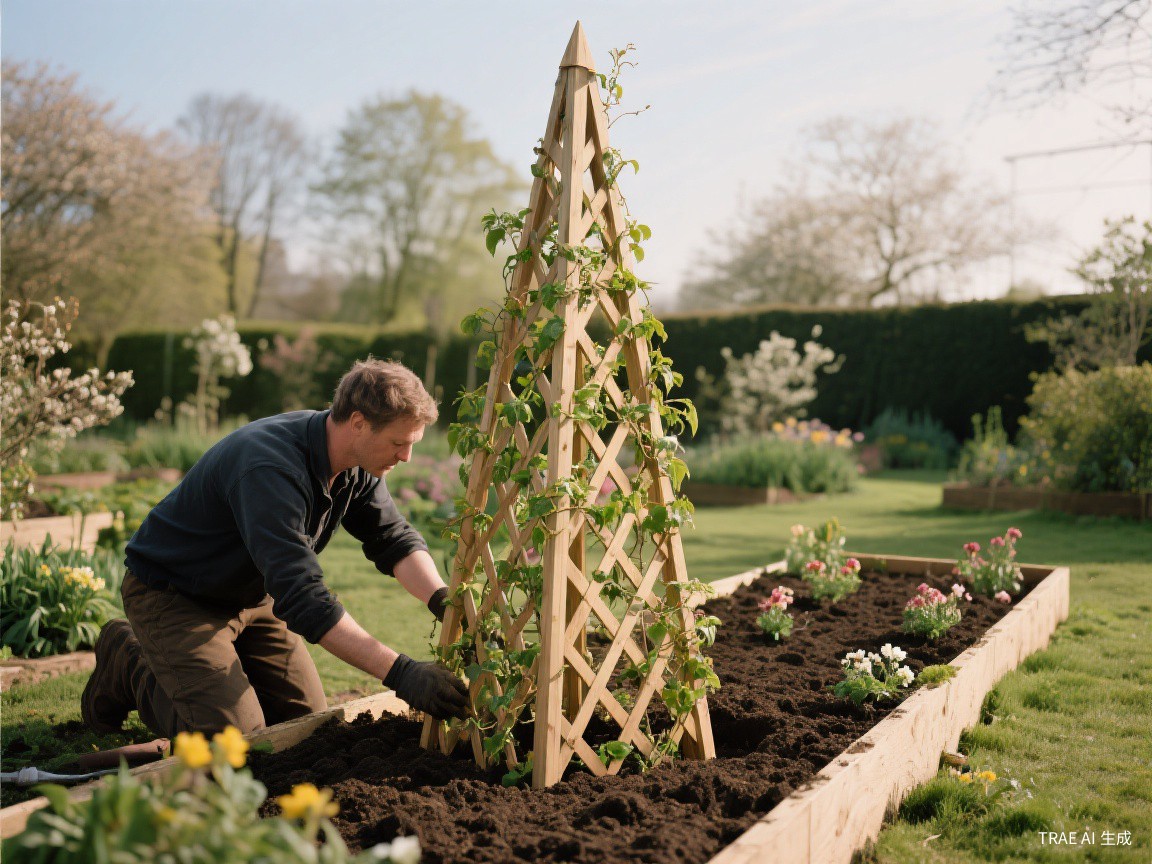
Position your obelisk in a sunny location with good soil drainage. Push the legs several inches into the ground for stability, or dig small holes and set legs in quick-setting concrete for permanent placement. Leave enough clearance around the base for plants to establish before beginning their climb.
Planting Suggestions
Sweet peas planted at the base will quickly scale the structure, filling summer air with fragrance. Clematis varieties offer stunning blooms from spring through fall, depending on the cultivar chosen. Morning glories provide rapid coverage and bright flowers, though they self-seed enthusiastically. For edible options, try pole beans or climbing nasturtiums.
Maintenance Tips
Check structural integrity each spring before plants begin active growth. Tighten loose screws and replace any rotted wood. Cedar typically lasts 10-15 years outdoors; pressure-treated alternatives extend this lifespan but may not suit organic gardening preferences. Clear away dead plant material in autumn to prevent disease and pest harboring.
Your handmade obelisk becomes a garden focal point through every season. Even bare in winter, the geometric form adds structure to dormant beds. As climbing plants fill in, the trellis disappears beneath living green, rewarding your craftsmanship with months of natural beauty.