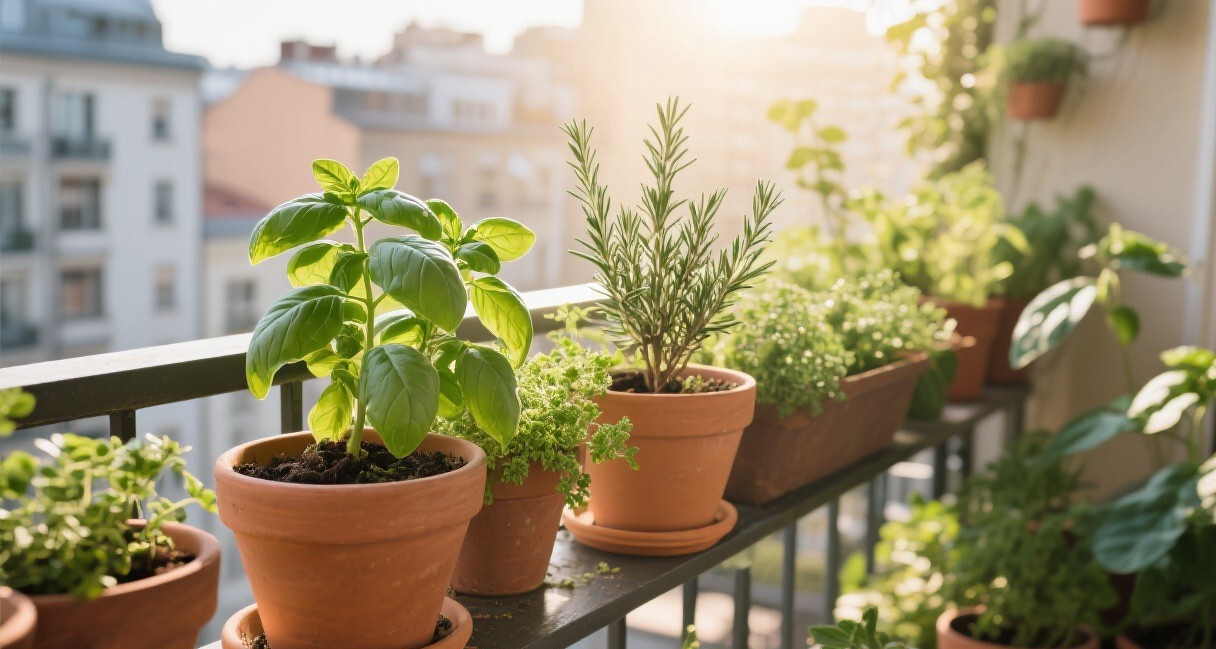
Cultivating Abundance: A Complete Guide to Balcony Herb Gardens
Ongoing Care
Watering Best Practices
Proper watering makes or breaks Cultivating Abundance results. Water deeply and less frequently, encouraging deep root growth. Morning watering reduces disease pressure by allowing foliage to dry before evening. Drip irrigation delivers water directly to roots, minimizing waste and weed growth. Mulch heavily to reduce evaporation and maintain consistent soil moisture. Learn to read plant signals; wilting indicates immediate water needs while yellowing may suggest overwatering. Adjust schedules seasonally, increasing frequency during hot, dry periods and reducing during cool, wet weather. Consistent moisture produces healthier plants than alternating between drought and saturation.
Seasonal Maintenance
Cultivating Abundance requires different care through the growing season. Spring focuses on planting, soil preparation, and establishing young plants. Summer demands consistent watering, pest monitoring, and succession planting. Fall brings harvest, cleanup, and soil improvement for next year. Winter offers planning, tool maintenance, and seed ordering. Keep detailed records of what you plant, when, and how it performs. This information proves essential for planning future seasons. Clean and store tools properly to extend their lifespan. Rotate crop locations to prevent disease and pest buildup. Each season builds on the previous, creating cumulative improvement over years.
Pest Management
Protecting Cultivating Abundance from pests requires vigilance and integrated approaches. Inspect plants regularly for early signs of damage or infestation. Encourage beneficial insects by providing habitat and avoiding broad-spectrum pesticides. Hand-pick larger pests when populations are small. Use row covers to exclude flying insects during vulnerable periods. Apply organic sprays only when necessary and always in evening to protect pollinators. Maintain plant health through proper culture; stressed plants attract more pests. Learn to tolerate minor damage; perfect produce is not worth ecological destruction. Balance intervention with acceptance of natural processes.
Preparation Fundamentals
Site Selection Criteria
Cultivating Abundance success begins with choosing the right location. Evaluate sunlight exposure throughout the day, noting how trees, buildings, and structures create shade patterns. Test soil drainage by digging holes and observing water retention. Consider proximity to water sources; hauling hoses long distances becomes tedious quickly. Assess wind exposure, which can damage plants and increase water needs. Check for underground utilities before digging. Think about accessibility for maintenance and harvest. The ideal site balances all these factors, creating conditions where plants thrive with minimal intervention. Take time to observe your space through different seasons before committing to permanent plantings.
Timing Your Planting
Seasonal timing dramatically affects Cultivating Abundance outcomes. Research your last frost date and first frost date, planning plantings accordingly. Some crops prefer cool spring weather, while others need warm soil to germinate. Succession planting extends harvests by sowing new seeds every few weeks. Consider day length requirements; some plants need long days to flower while others prefer shortening days. Track soil temperature, as many seeds refuse to germinate in cold ground. Monitor weather forecasts, protecting young plants from unexpected cold snaps or heat waves. Patience in timing often determines success more than any other factor.
Soil Preparation Methods
Proper soil preparation creates the foundation for successful Cultivating Abundance. Remove existing weeds and debris before amending soil. Test pH levels and adjust with lime or sulfur as needed for your specific plants. Incorporate organic matter deeply, turning soil to a depth of at least twelve inches. Break up compacted areas that restrict root growth. Allow prepared soil to rest for a week before planting, letting beneficial organisms establish. Rake smooth and remove large rocks or debris that interfere with planting. Well-prepared soil rewards your efforts with vigorous plant growth and abundant harvests.
Harvest and Storage
Picking at Peak
Harvest timing affects both flavor and storage life of Cultivating Abundance produce. Pick in morning after dew dries for best flavor and longest keeping quality. Use sharp tools to avoid bruising or tearing plant tissues. Handle gently to prevent damage that accelerates spoilage. Harvest continuously to encourage continued production in many crops. Learn visual cues that indicate ripeness for each variety you grow. Some crops store better when slightly under-ripe; others need full maturity. Taste test to develop your sense of optimal harvest timing. The difference between good and exceptional often lies in harvest timing.
Post-Harvest Handling
Proper handling after harvest preserves the quality of your Cultivating Abundance bounty. Cool produce quickly to remove field heat. Wash gently to remove soil without bruising delicate tissues. Dry thoroughly before storage to prevent mold and rot. Sort damaged items for immediate use, storing only perfect specimens for long-term keeping. Label storage containers with contents and dates. Check stored produce regularly, removing any showing signs of spoilage before they affect neighbors. Good post-harvest practices extend the enjoyment of your gardening efforts throughout the year.
Preservation Methods
Preserving Cultivating Abundance harvests extends seasonal abundance throughout the year. Canning works well for high-acid foods like tomatoes and pickles. Freezing maintains flavor and nutrition for most vegetables and fruits. Dehydrating concentrates flavors and reduces storage space requirements. Fermentation creates probiotic foods while preserving nutrients. Root cellaring maintains appropriate conditions for long-term storage of hardy crops. Choose methods suited to your produce types, available time, and storage space. Each preservation technique offers different benefits and limitations for different crops.